

Amazon Spheres Architectural Design & Prototyping Process
The design process behind these sci-fi offices showcases a fantastic use of rapid prototyping technologies like laser cutting and 3d printing.
If you haven’t been to the Seattle area recently, you may not be familiar with the Amazon Spheres. These sci-fi co-working offices showcase a fantastic use of rapid prototyping technologies like laser cutting and 3d printing in the early design stages, used to build an initial scale model of the “catalan” modules, which give the domes a pentagonal skeleton structure.
Source: Wall Street Journal
Architectural firm: NBBJ

Building up parts on the pentagonal scale model structure using laser cut wood and paper cardstock:


These laser cut parts are later transformed into 3d Printed Catalan Module - or 'elongated pentagon' building block:
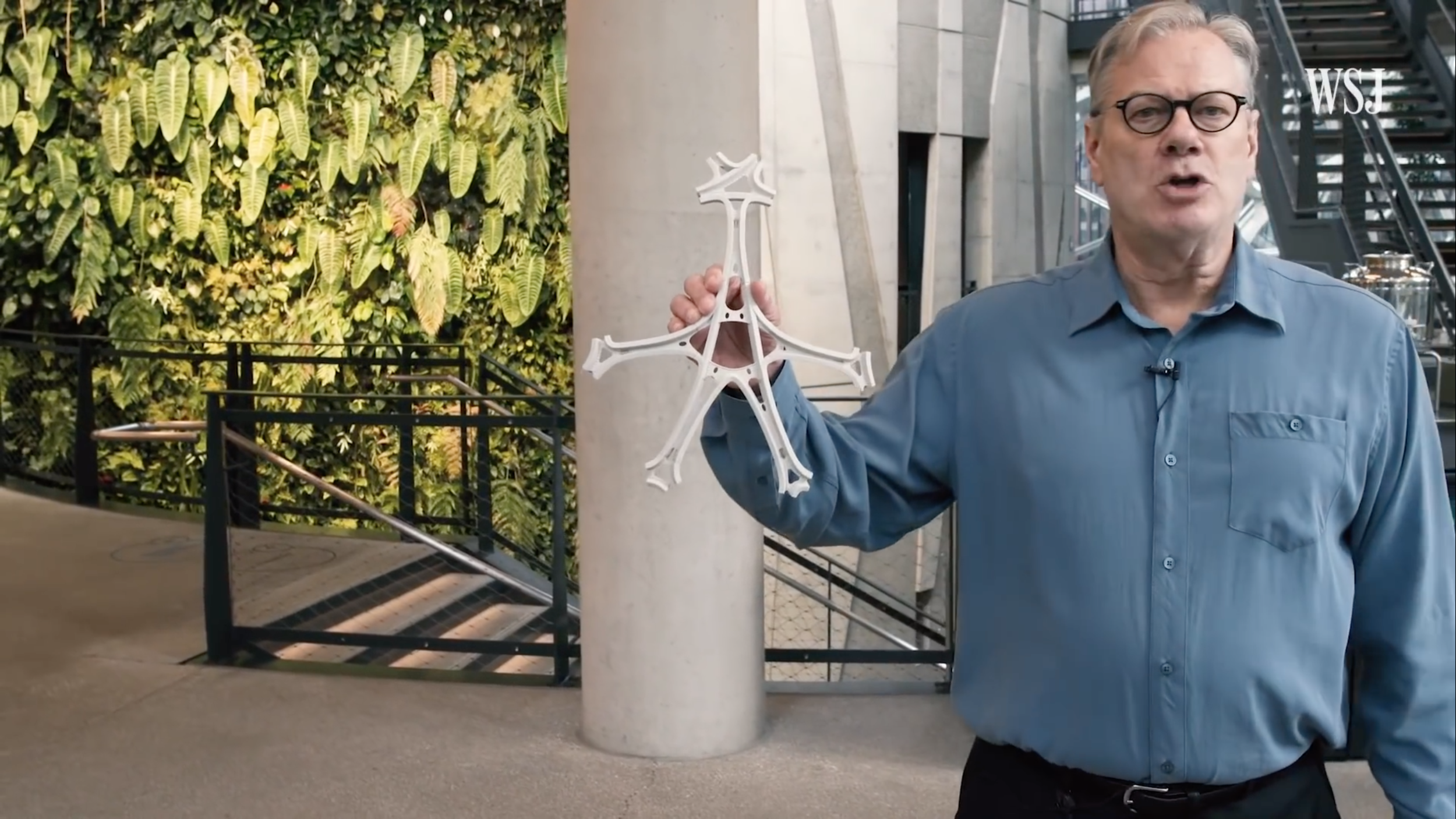

Finally, the small scale 3d-printed prototypes are then realized as 1:1 full scale interlocking steel structural parts:


The space is designed to be an alternate environment for amazon executives and employees, giving them a natural green space to work from — all in the sake of helping spark productivity, creativity, and reducing stress:


The Maker's Field Guide: Master Maker Edition is now available!
More on laser cutting, 3d printing, and many more rapid prototyping techniques and more can be found in The Master Maker edition of The Maker's Field Guide. Now available as both a digital ebook or premium quality photography book through the online store.

How Modern Toys are Made (McFarlane Toys' Best Kept Secrets)
The secret of the modern toy development, prototyping, and production process as presented by Mile Deep Productions. In this day and age of Z-Brush digital sculpting and super fast 3d printing technology, it’s surprising to see that some things just don't change — one being craftsmanship. As discussed in an early post about Oakley’s professional model shop facility and heavily reliance (still) on hand craftsmanship, the artist’s touch is the of quality, refined taste, and layered emotional appeal that’s very difficult to replace with a machine or 3d printer. Most of the materials used in this film include Super Sculpey polymer clay, wire end clay tools, RTV silicone molds, urethane casting resins, and other tools that are standard in the movie prop / special effects industry.
Enjoy!

The Maker's Field Guide: Book & Ebook Available Now
These tips and more can be found in The Maker's Field Guide — the most advanced guide to making anything on the planet. Written from a professional industrial designer with over 7+ years experience in the industry. Now available as digital ebook or premium quality coffee table book through the online store!
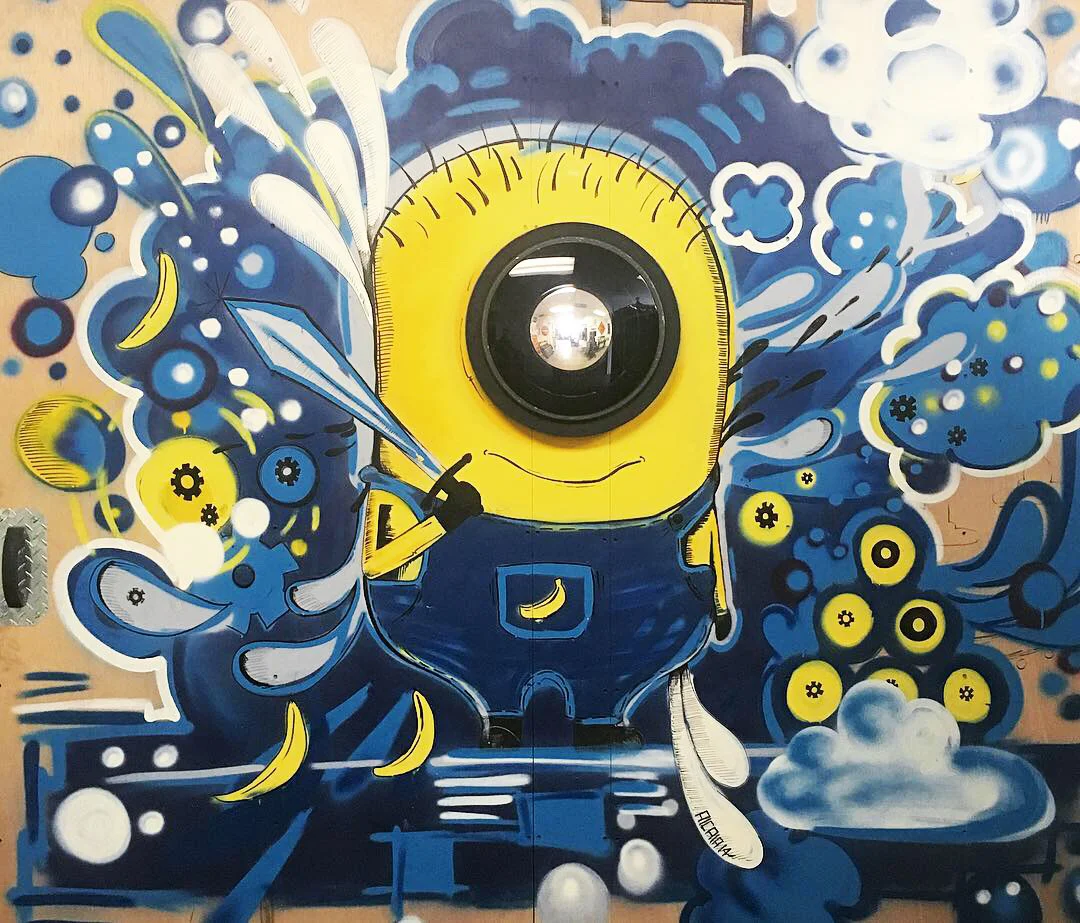
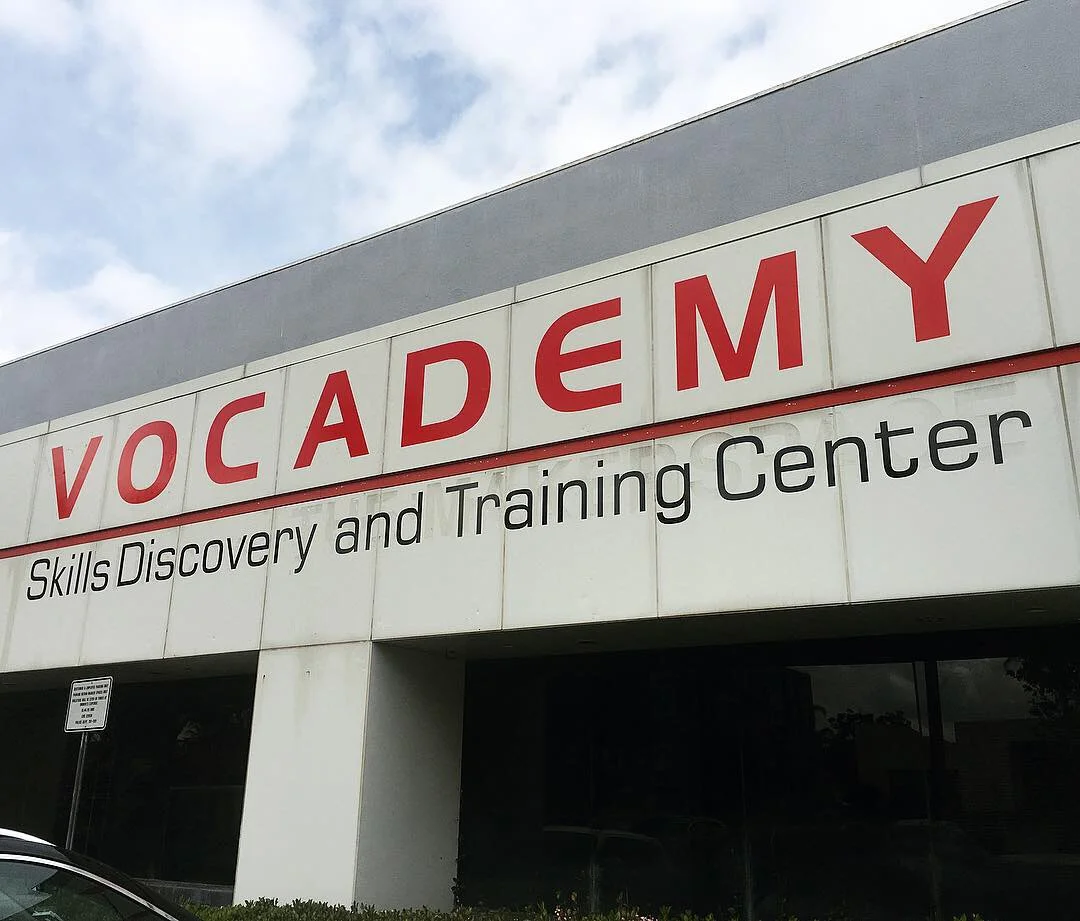
Visit to the Vocademy Makerspace & Training Center (Riverside, California)
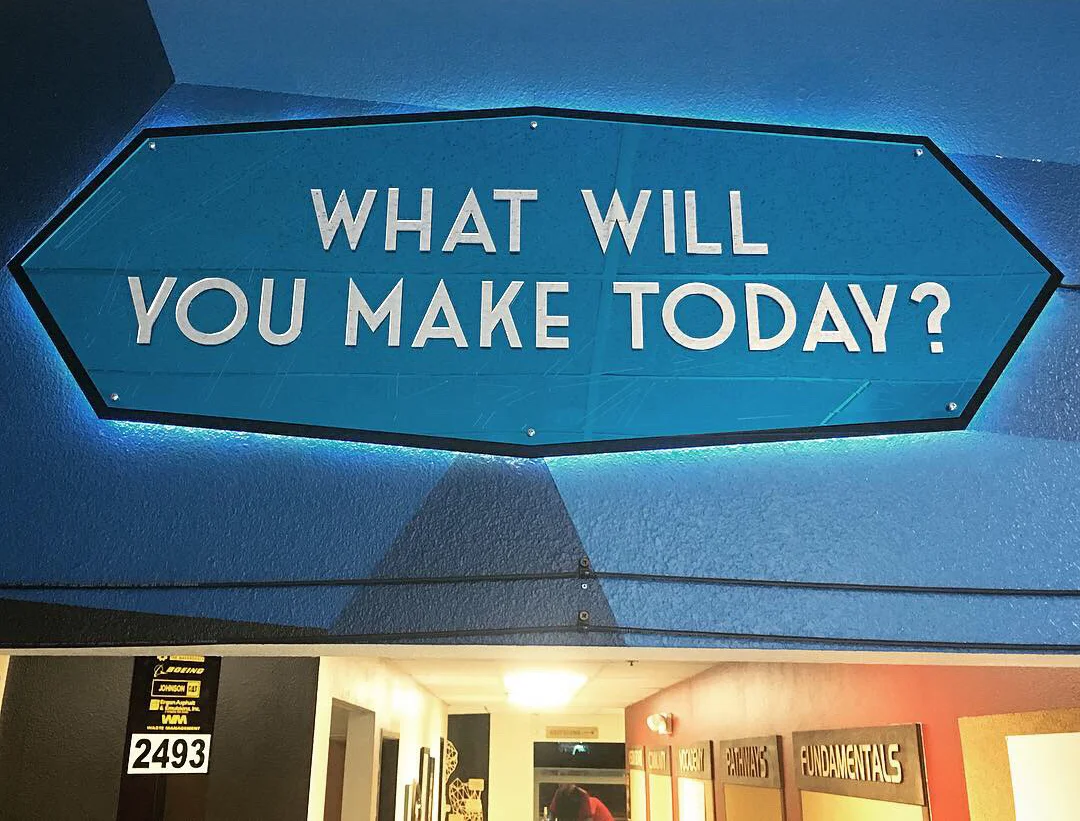
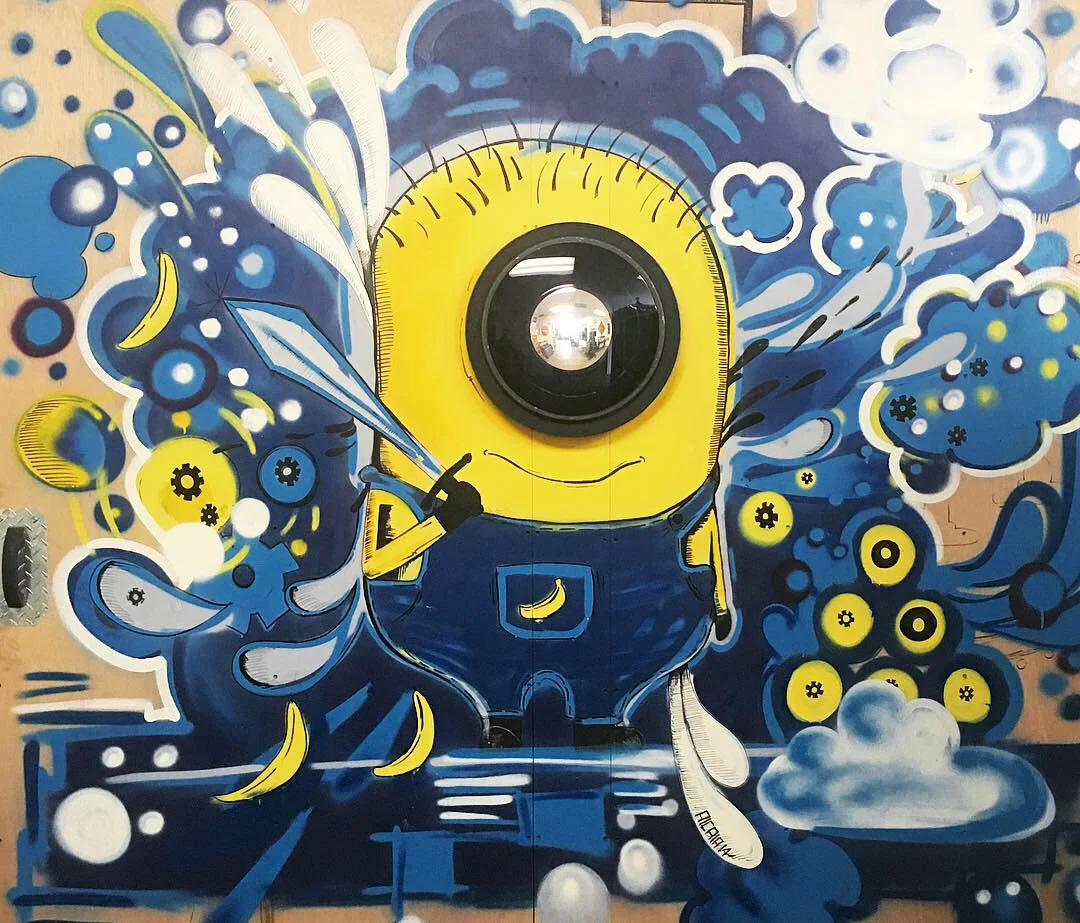
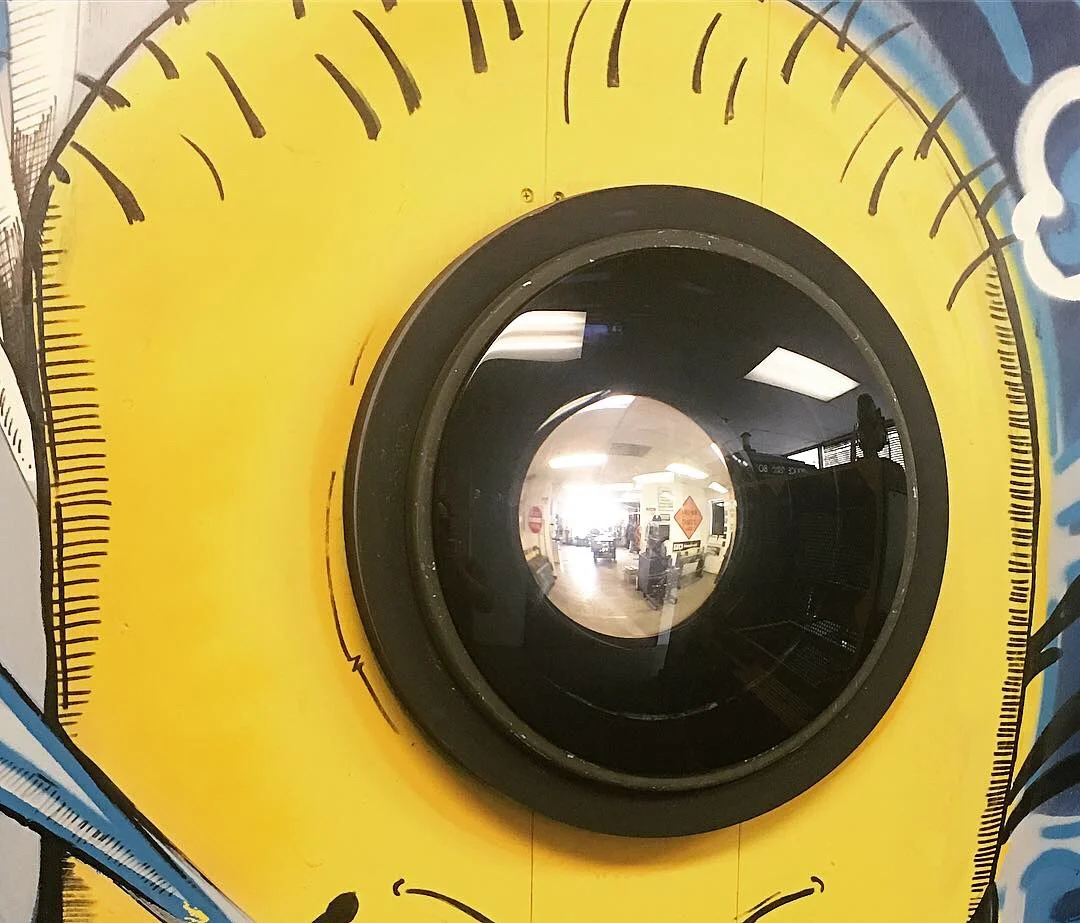
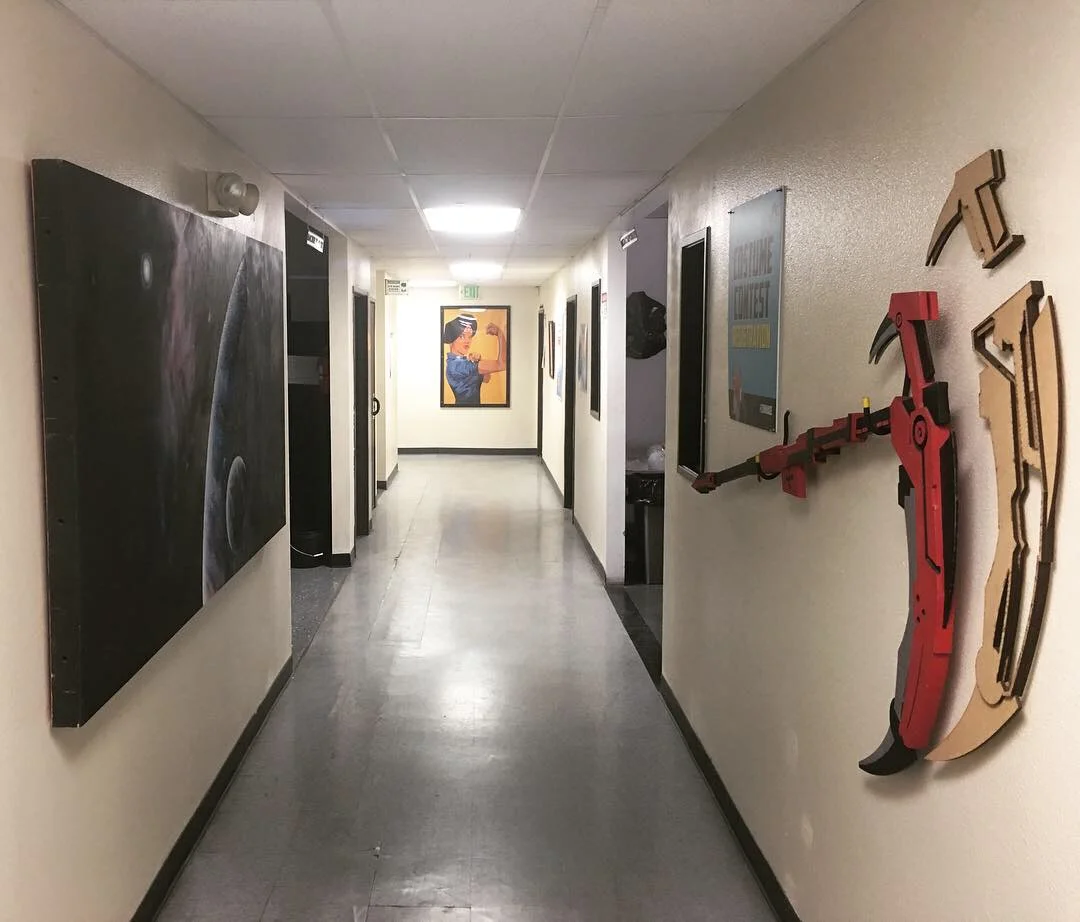
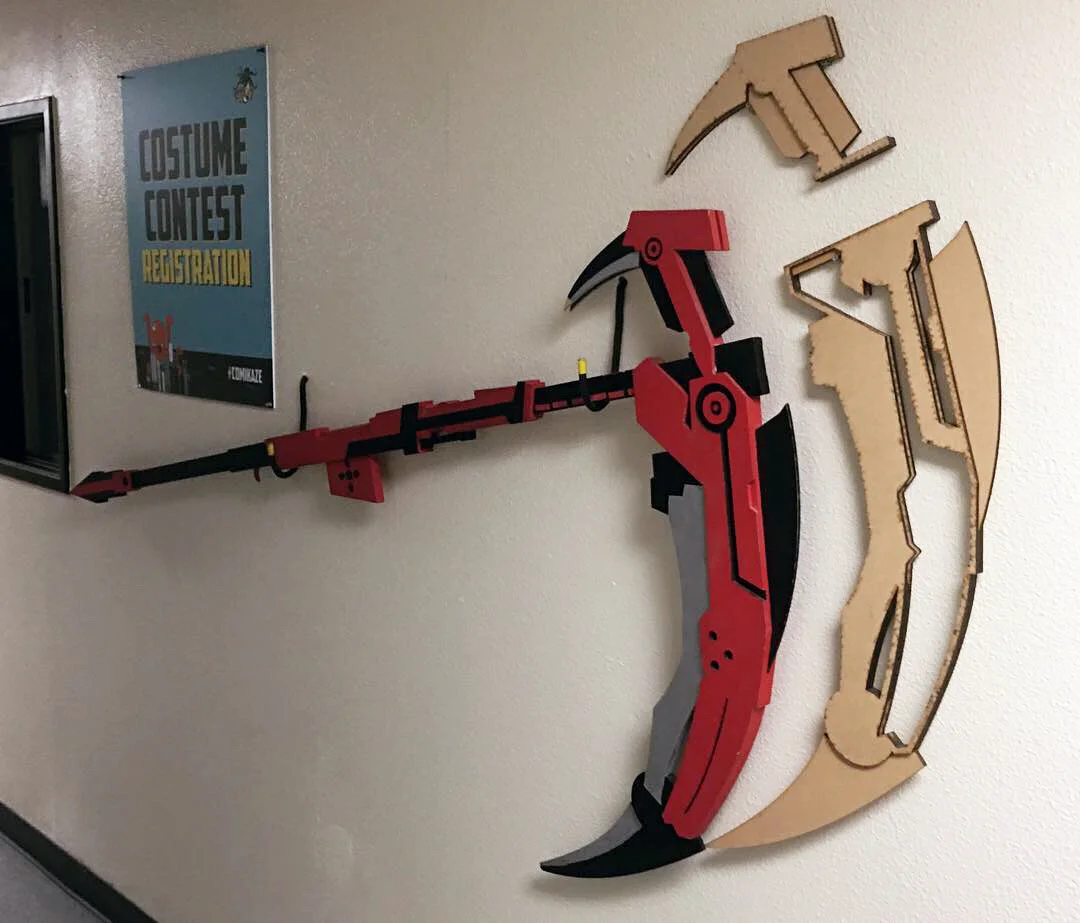
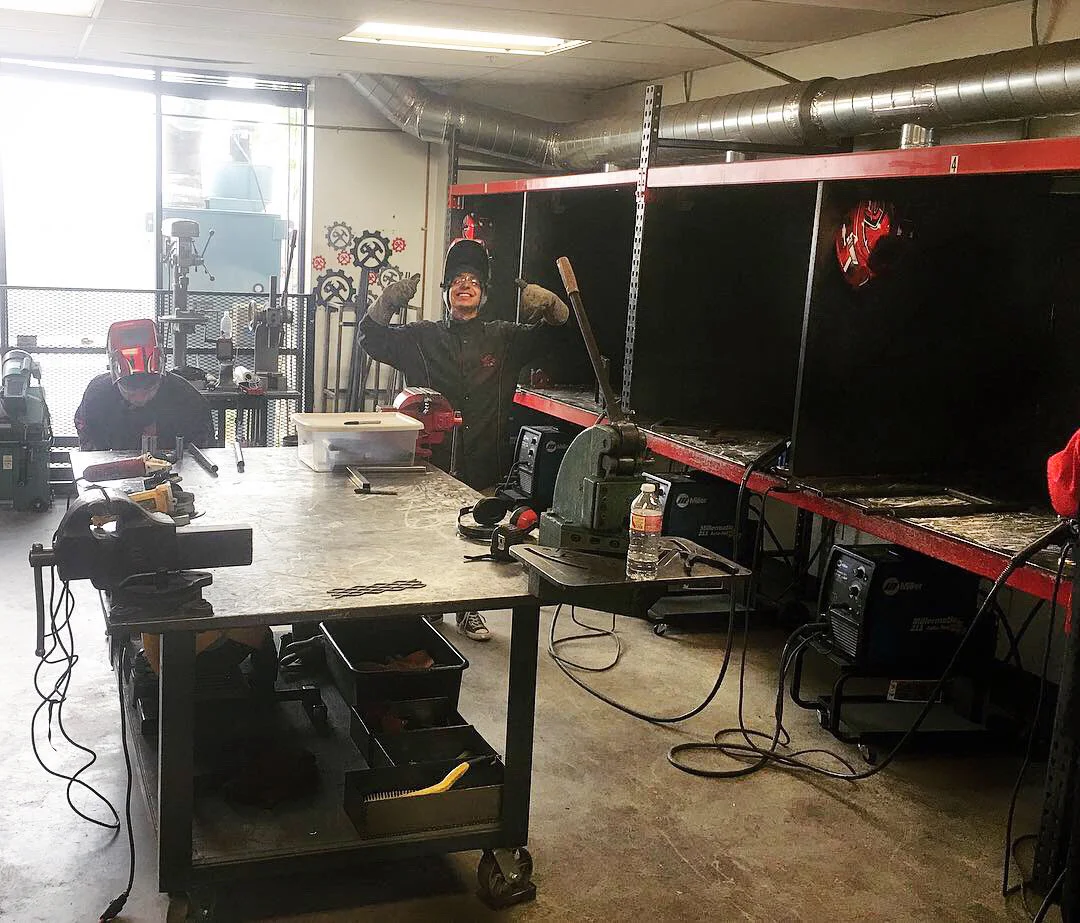
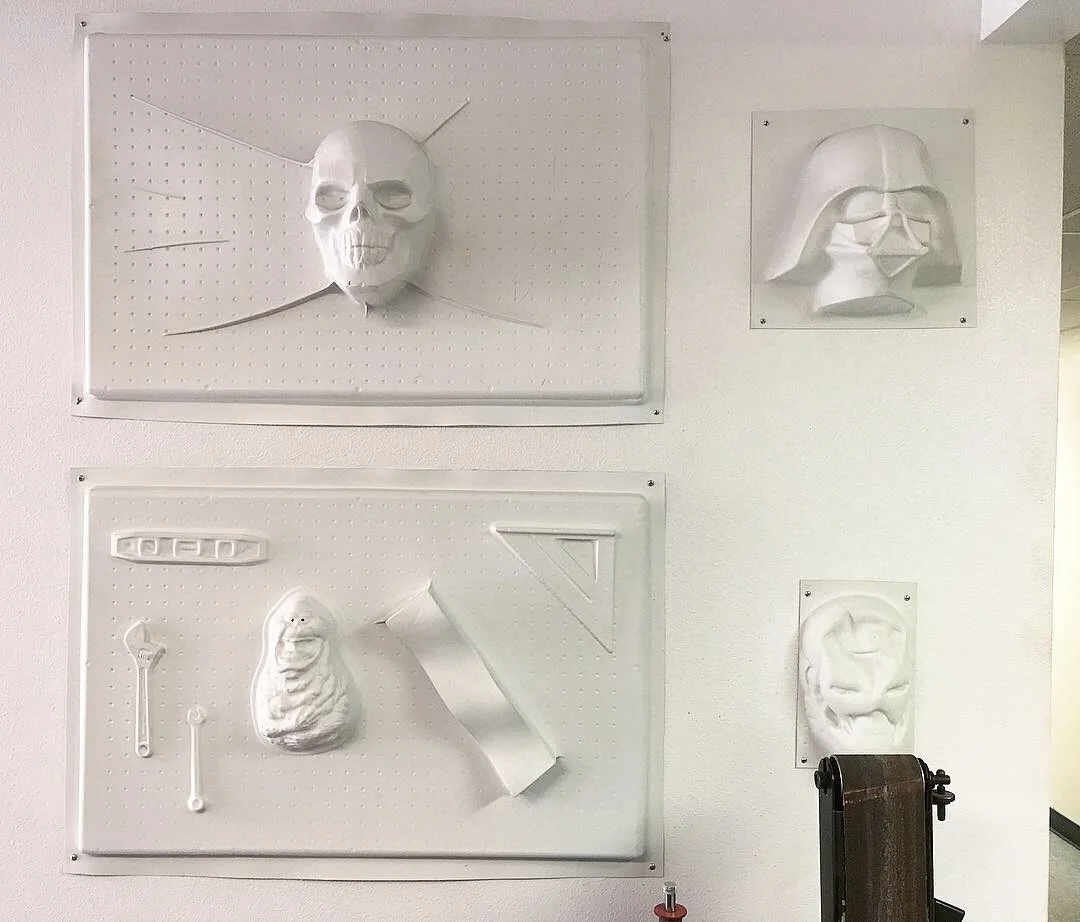
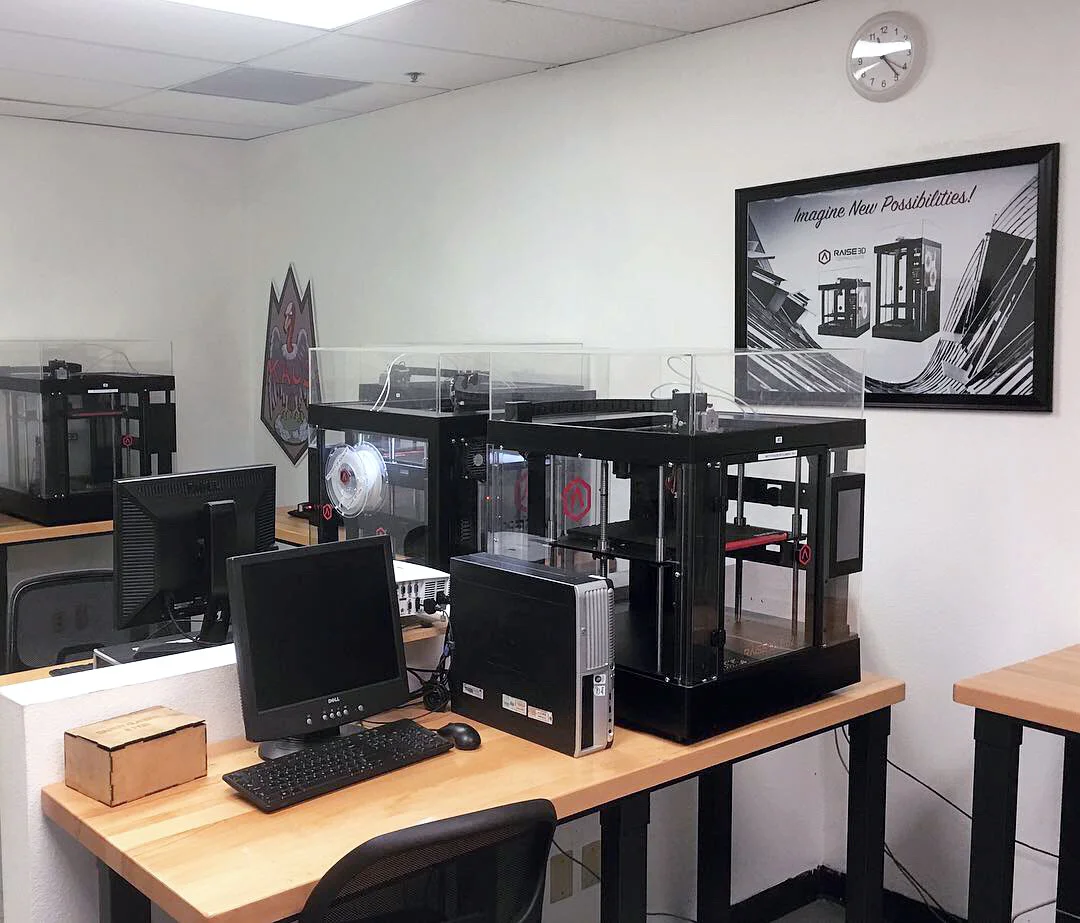
A selection of photos during a recent visit to Vocademy’s Makerspace & technical skills training center in Riverside, CA.
A selection of photos during a recent visit to Vocademy’s Makerspace & Training Center in Riverside, CA.
Not only does Vocademy have an impressive array of machines available, they also offer classes for hands-on (or vocational) training.

The Maker's Field Guide: Book & Ebook Available Now
These tips and more can be found in The Maker's Field Guide — the most advanced guide to making anything on the planet. Written from a professional industrial designer with over 7+ years experience in the industry. Now available as digital ebook or premium quality coffee table book through the online store!
Why Clay is here to stay : Clay Modeling in Automotive & Industrial Design
Even with advanced 3D printing and VR technologies, make no mistake — clay is here to stay. Find out why in this in-depth article.
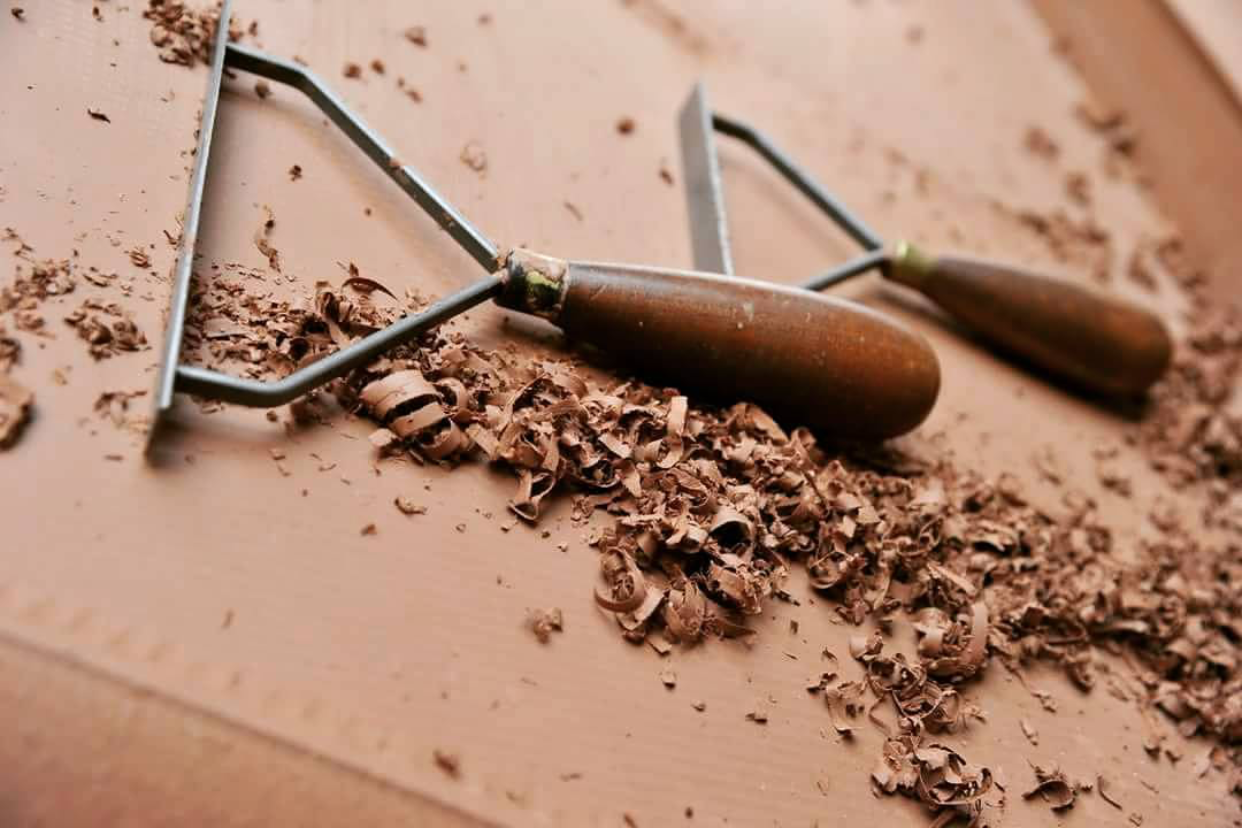
Why is clay still being used in the real world of design? Is clay just a dinosaur, bound to be replaced by more modern tools?
Virtual Reality and 3D printing has changed the game on how designers, engineers and developers react with their physical world. Such as the VR motorcycle prototype evaluation by ARCH motors, allowing design teams to evaluate a design in virtual space even before a physical model is made:


Well, although the world has becoming increasingly digital based, where we interface now with design models using 3D CAD and even virtual reality headsets — make no mistake, clay is here to stay.
A few of my design colleagues work in the automotive industry, one of them for McLaren Automotive in the UK. He even attests to the power of clay as a designer. There simply just isn't a way to physically see how a surface of a form will react with light, shadow, and touch unless you have the chance to touch it in person. This is where clay shines, the ability to physically massage every line and control every suface is where clay is particularly powerful. There are full-time automotive clay modelers (very well paid, I might add) working in Advanced Design studios across the world, who's job it is to translate a designer's sketch into a 3D, real car. Working in clay gives modelers and designers a more tactile, fingertip feel for the design that simply cannot be replaced by any other medium — and is ideal for sorting out optimal ergonomics. Later, these full 1:1 car models can then be scanned into 3D CAD, and converted into 3D production designs for production (composite tooling, aluminum sheet dye stamping, etc.) :


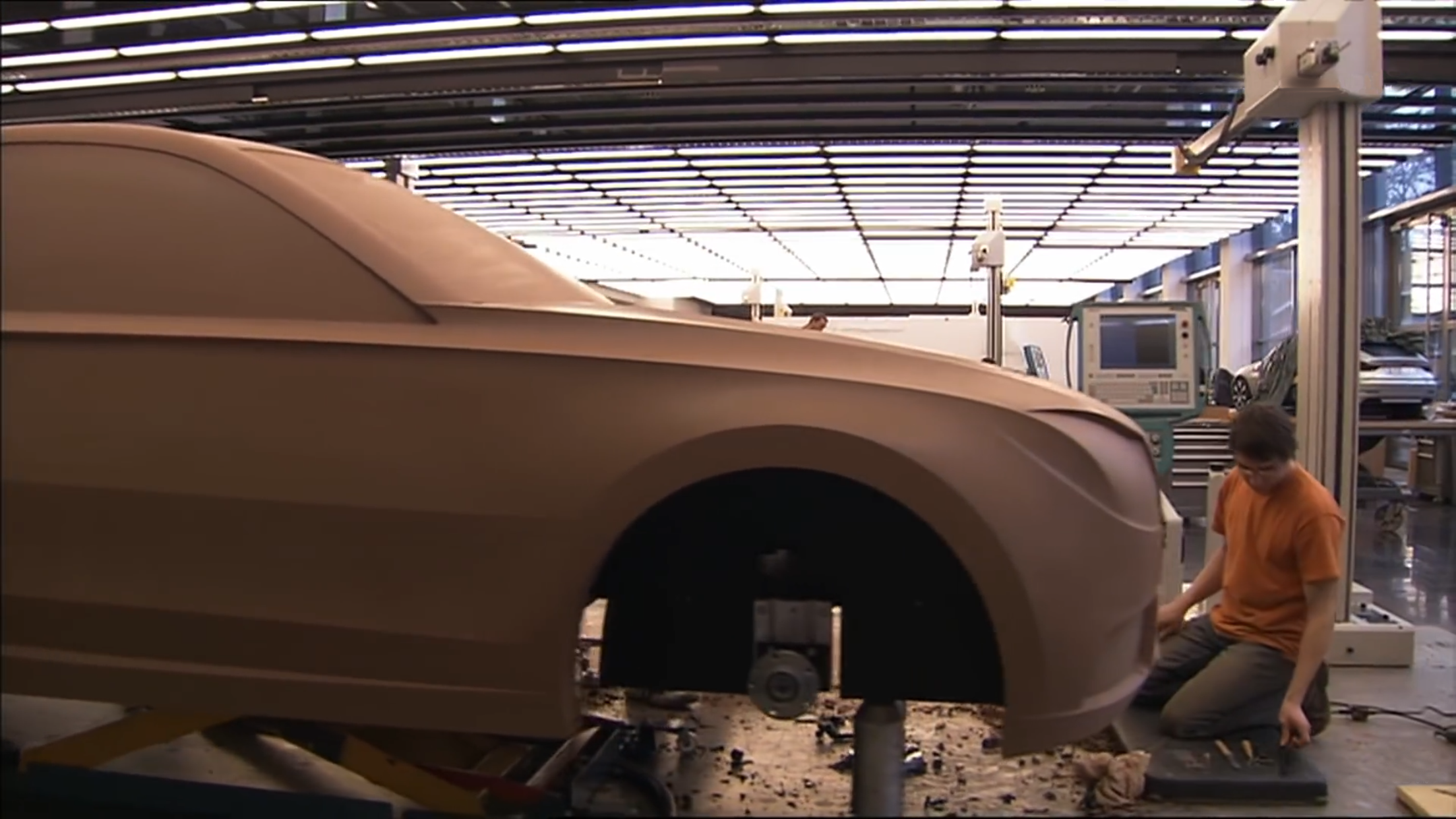
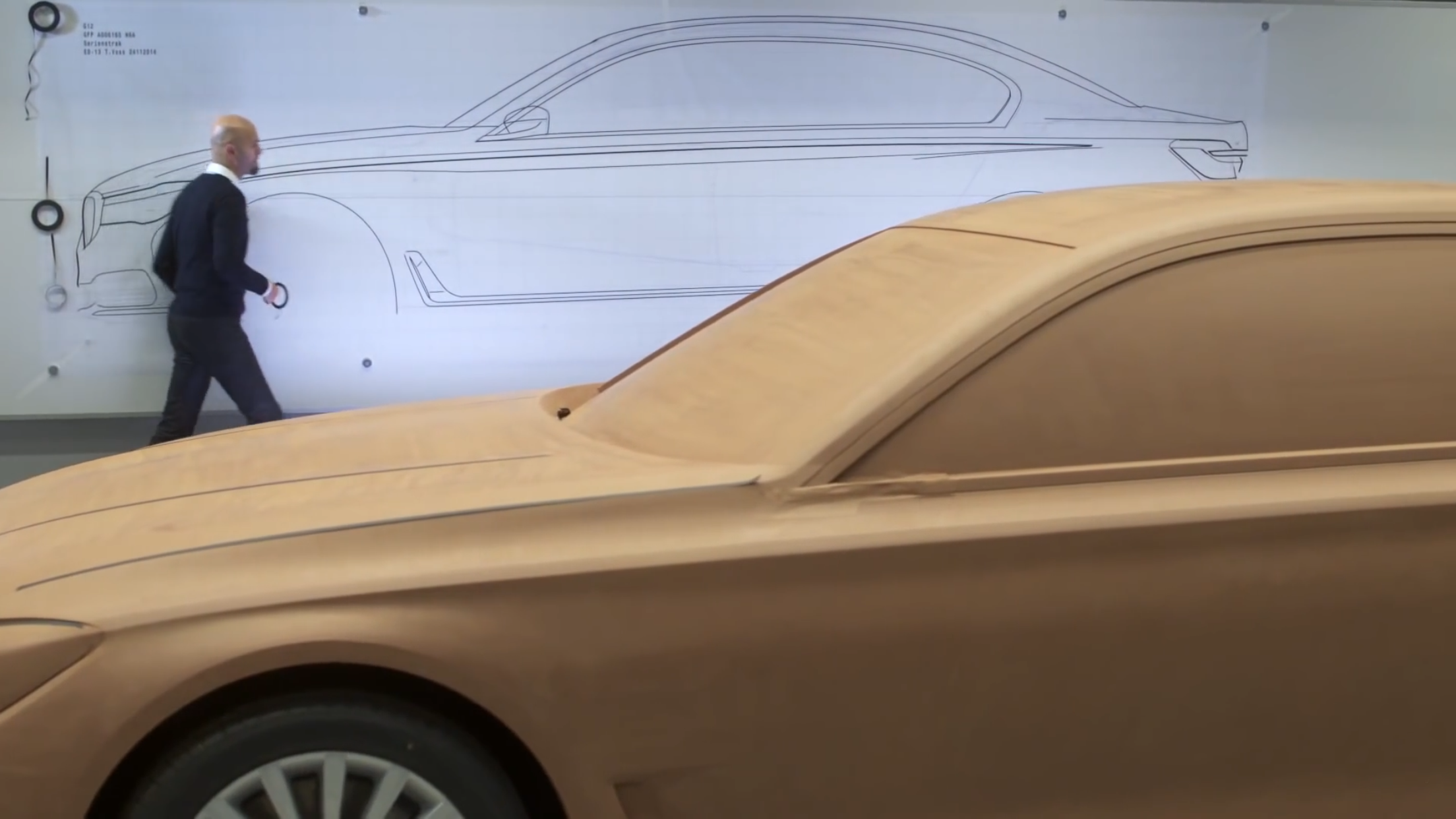
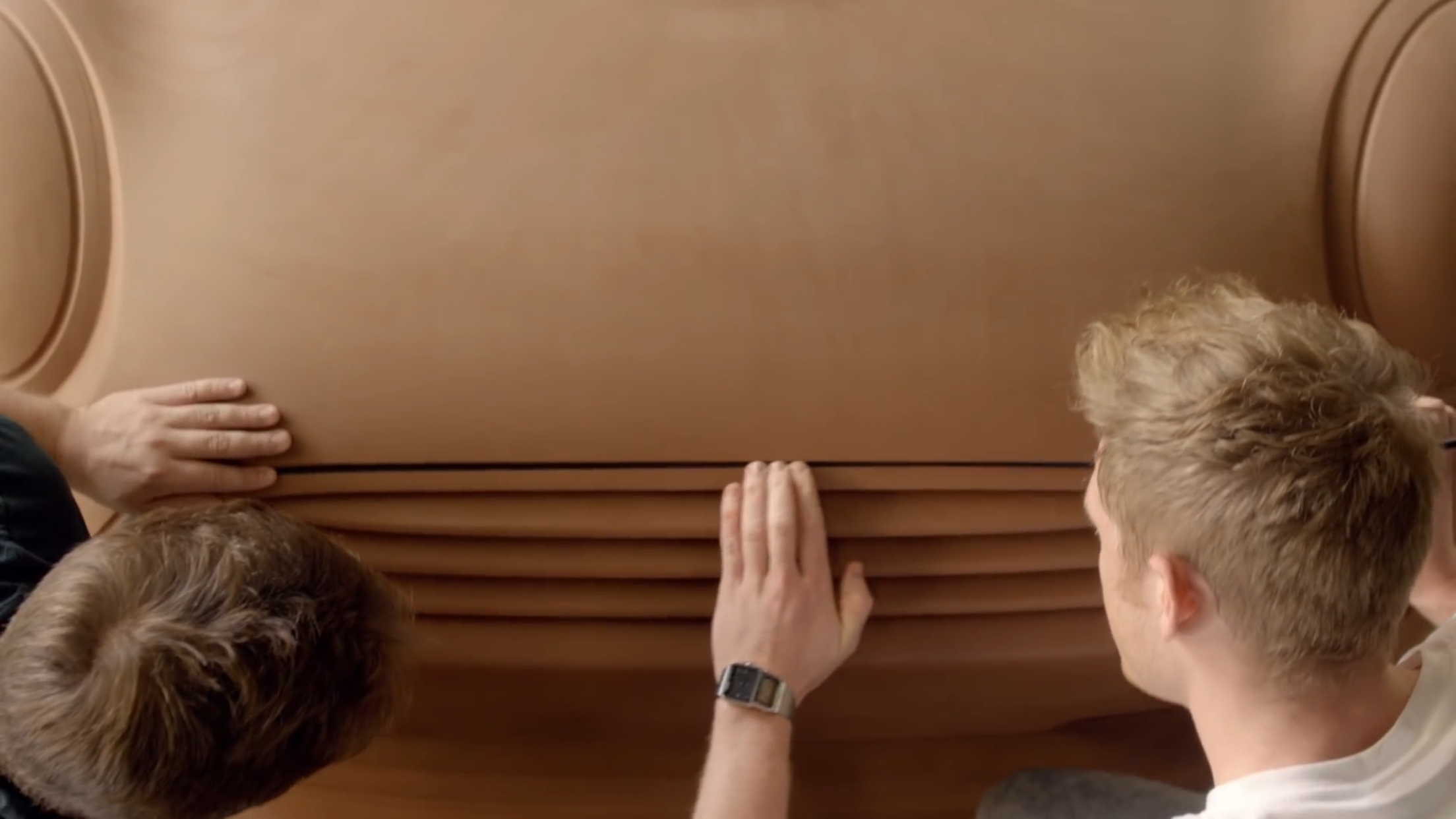
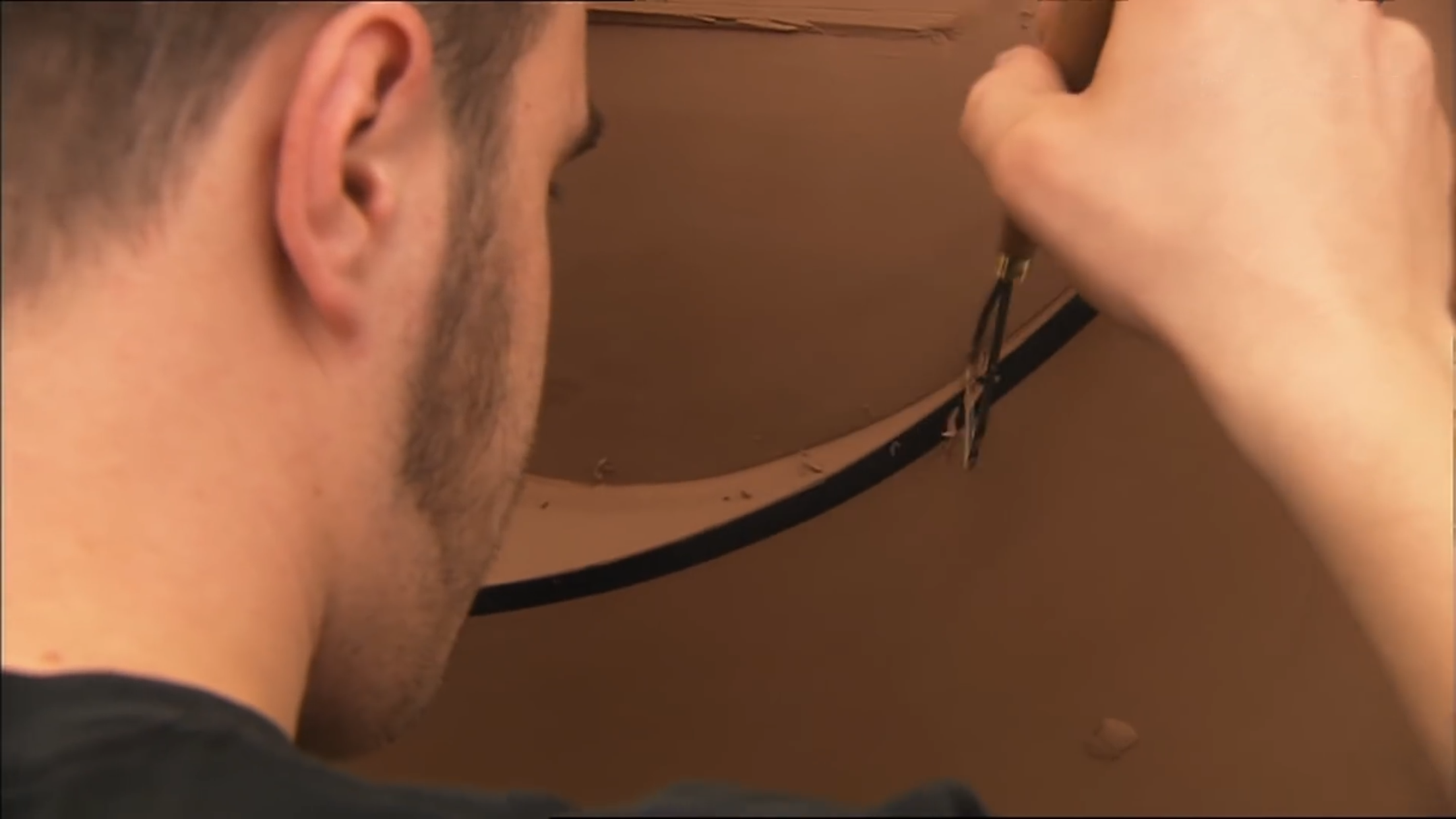

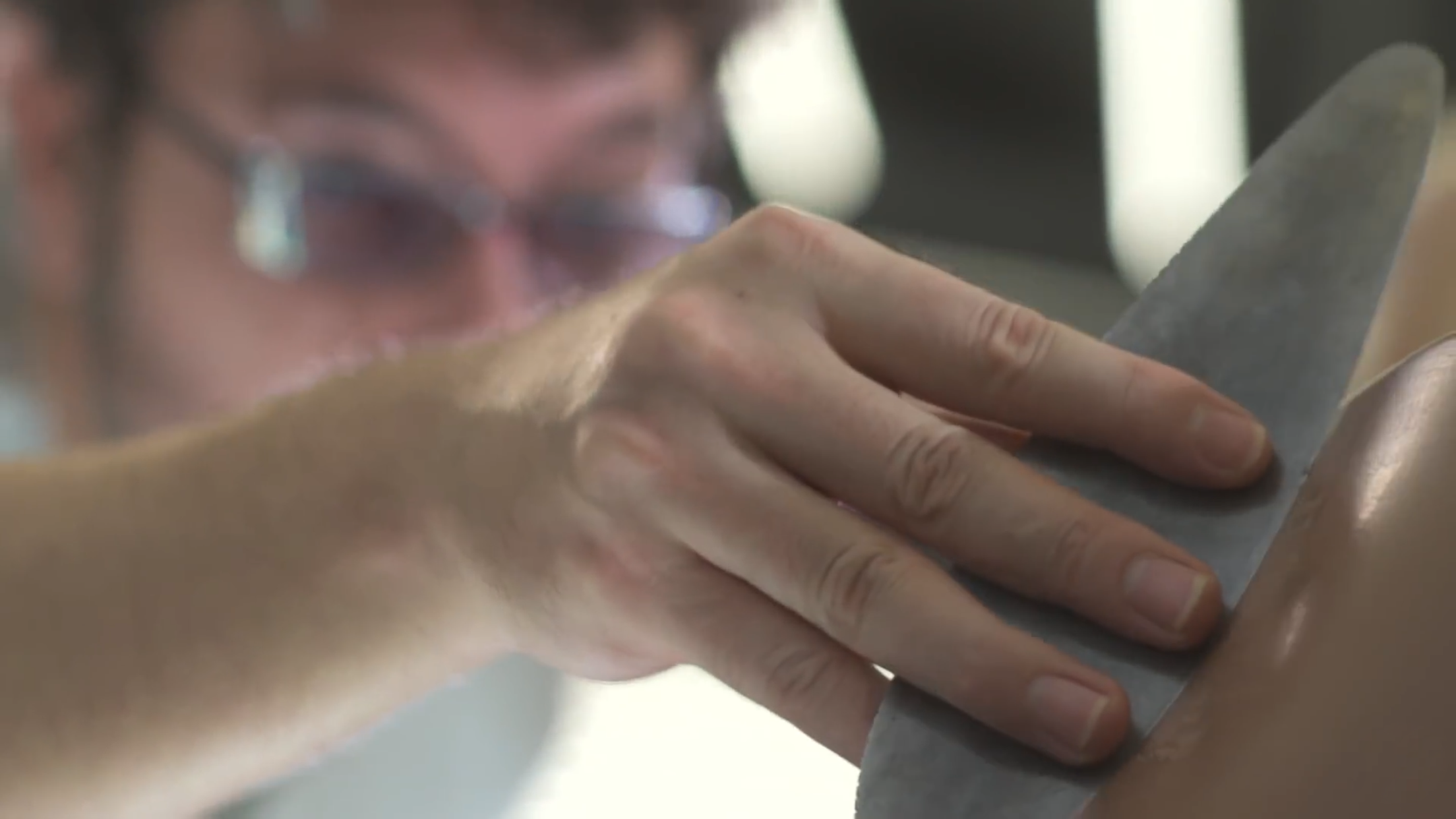
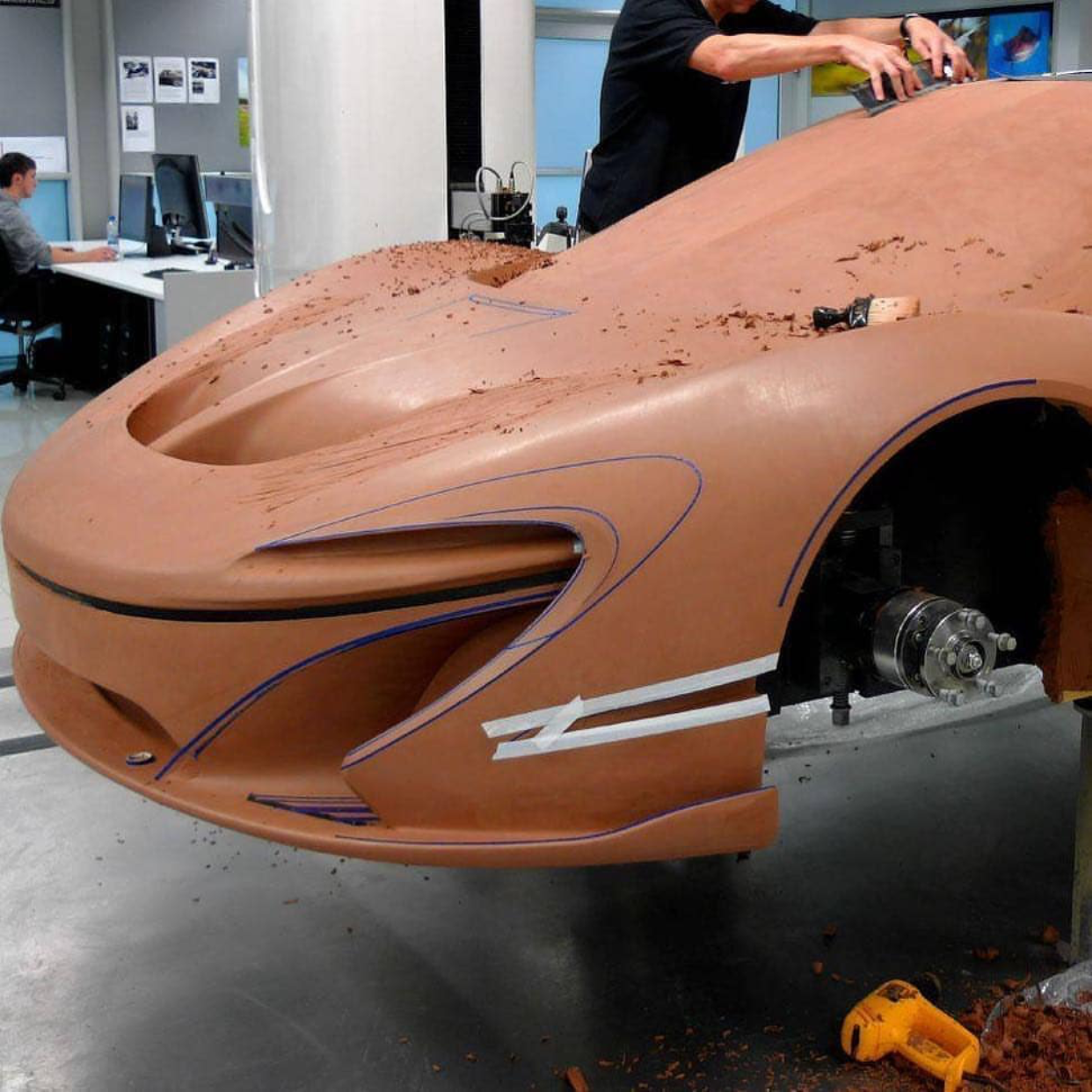
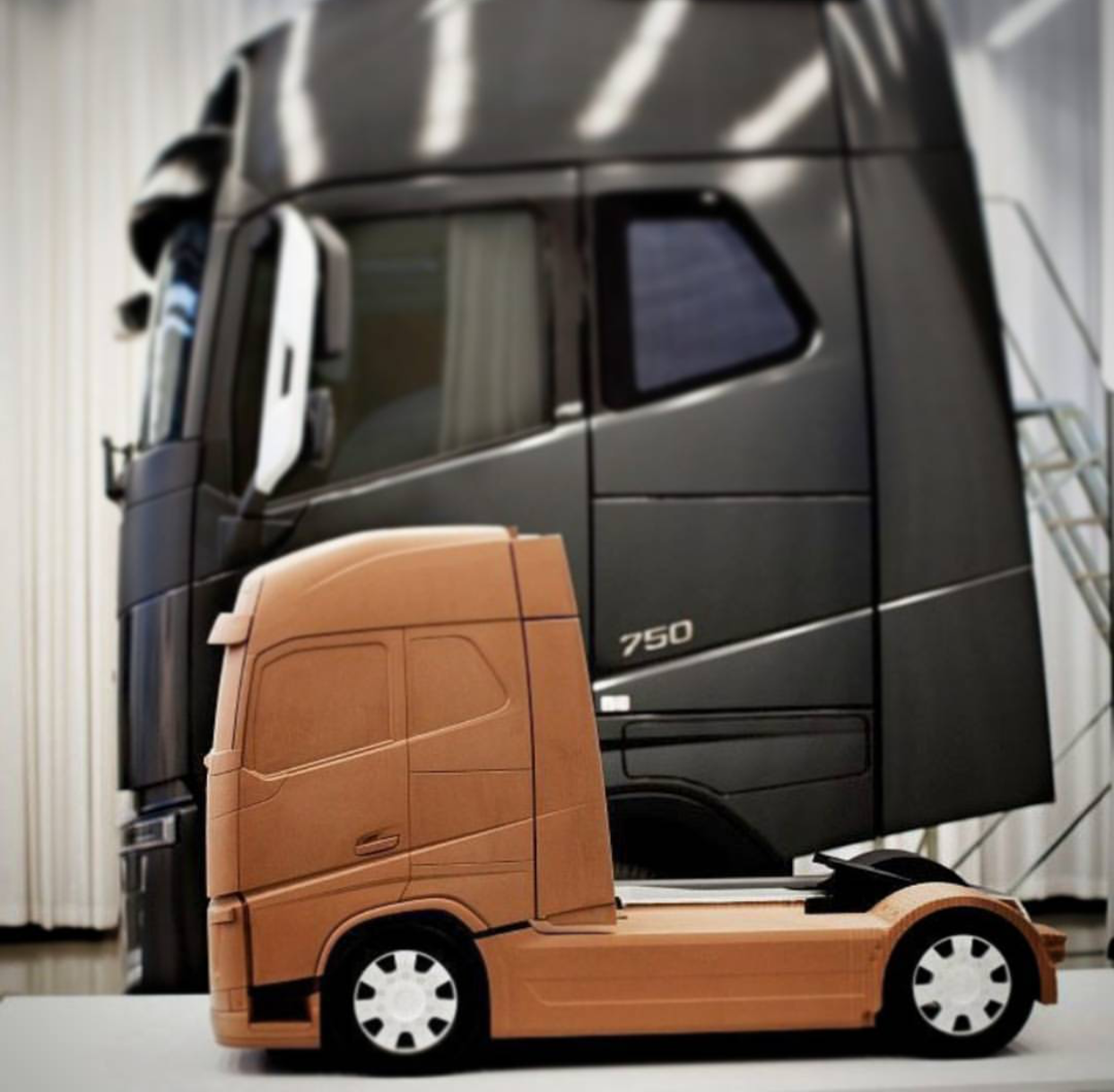
One useful advantage of clay is it can be finished and painted to resemble a realistic prototype. This is the process advanced R&D studios use when creating concept cars at key automotive design shows, such as LA Auto Show and Geneva Auto Show in Europe:


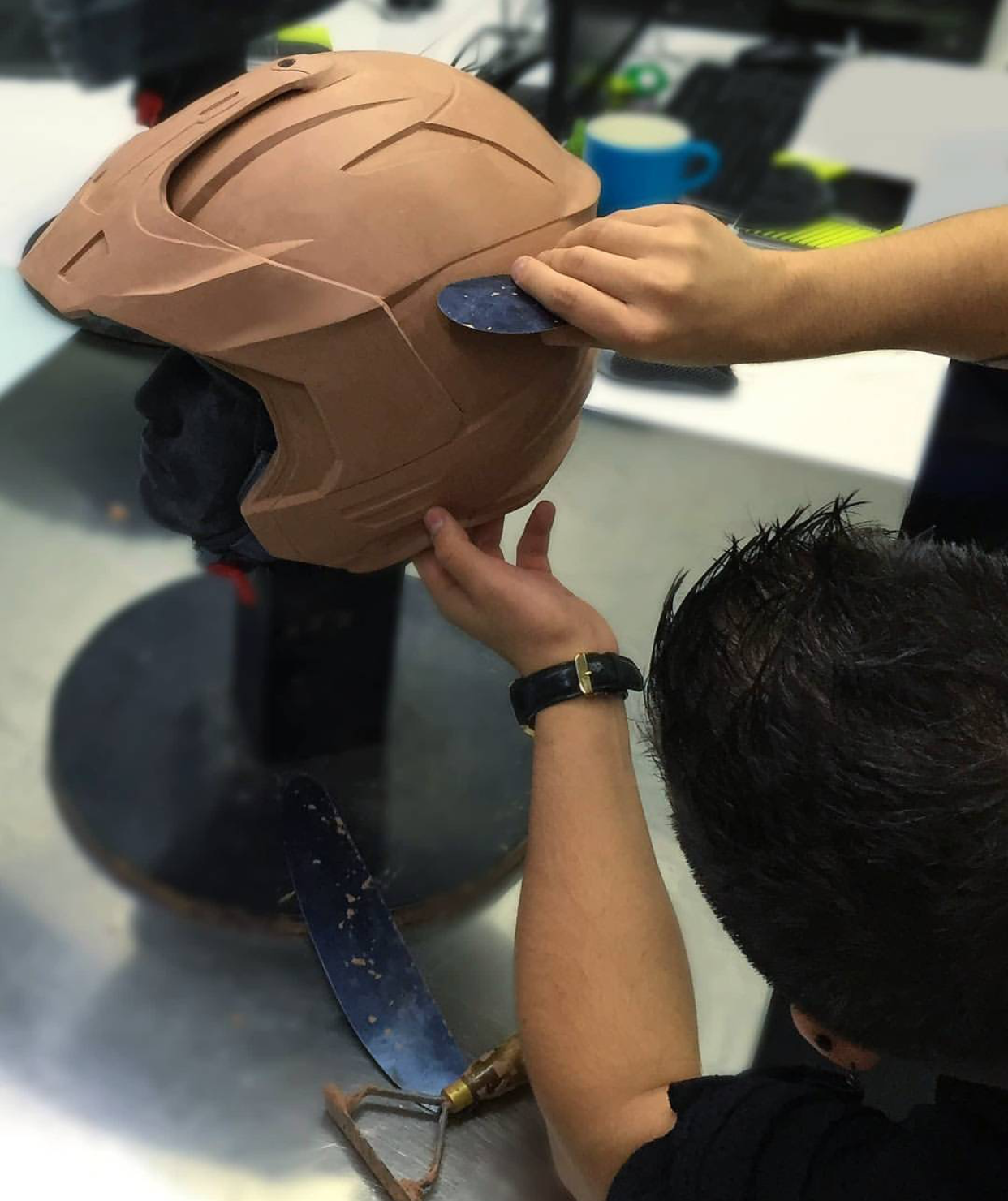
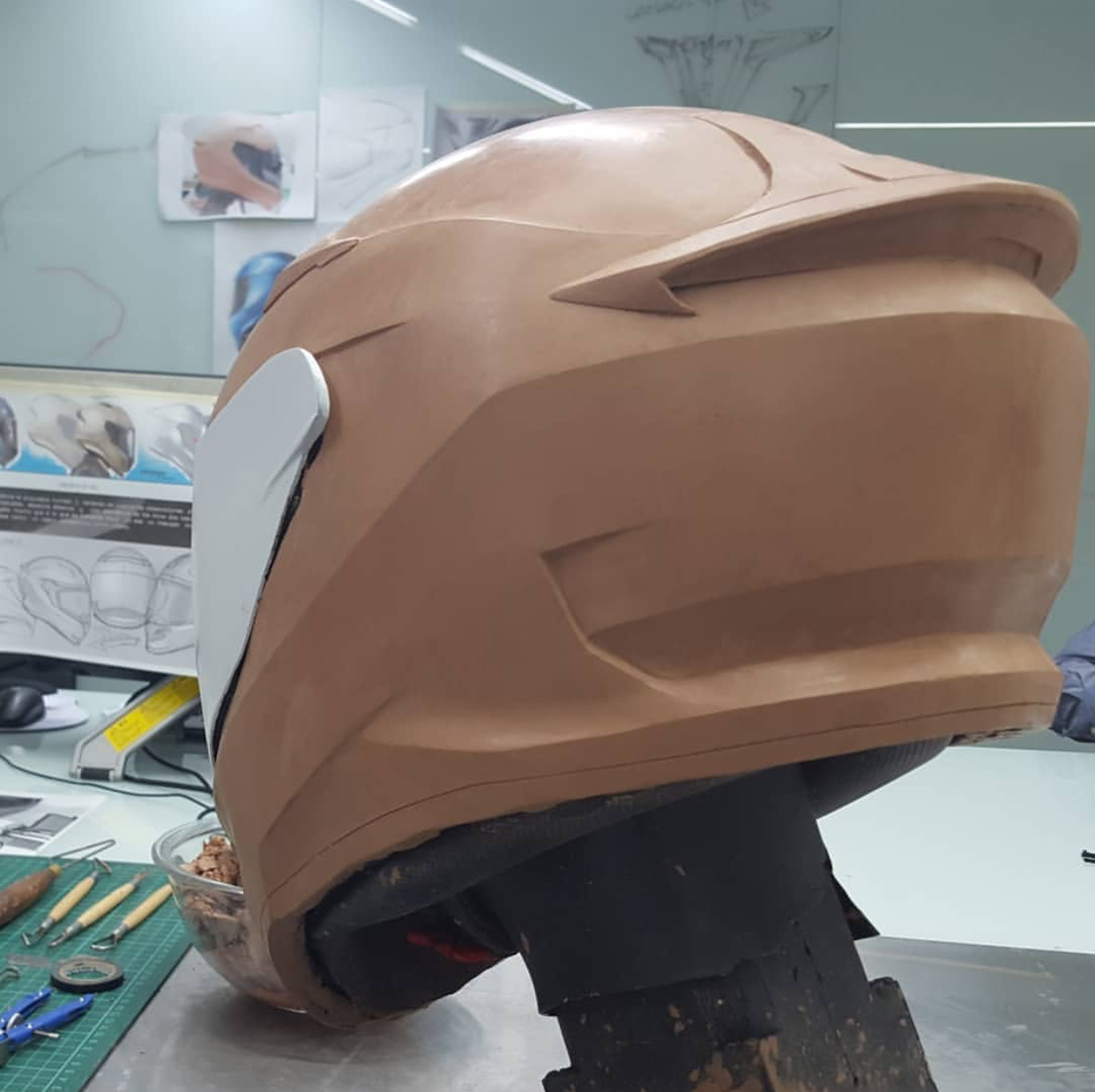
Industrial Clay is an extremely versatile tool, with many wide-ranging uses for the medium. In addition to car modeling, clay is still being used widely in highly sculptural Industrial Design product applications (i.e. protective helmets, eyewear, etc.), motorcycles & bicycle design, and concept model making in the entertainment / special effects industry:


Below is a great video by Business Insider about why some car companies still use clay models that cost up to $650k (yes, that’s US dollars).
In Summary: Clay is a beautifully nuanced, emotive tool that’s here to stay for hundreds, if not thousands of years to come!
*All content featured in this post is shown strictly for educational learning purposes only. All image rights belong to their respective owners.

The Maker's Field Guide: Book & Ebook Available Now
These tips and more can be found in The Maker's Field Guide — the most advanced guide to making anything on the planet. Written from a professional industrial designer with over 7+ years experience in the industry. Now available as digital ebook or premium quality coffee table book through the online store!